
Master PPC, Meta, and YouTube Ads with Jaikvik Technology
Unlock the power of PPC, Meta, and YouTube Ads to drive targeted traffic, engage audiences, and boost conversions with expert strategies from Jaikvik Technology.
Understanding Digital Advertising
A Brief Overview of the Digital Advertising Landscape: Digital advertising has revolutionized how businesses connect with audiences, offering precise targeting and real-time performance measurement. Unlike traditional methods, it enables dynamic campaign adjustments across diverse channels like search engines, social media, video platforms, and display networks. This multi-channel approach allows tailored messaging based on user preferences, behavior, and demographics.

Why PPC, Meta, and YouTube Ads Matter
Modern Marketing Strategy - Importance of PPC, Meta, and YouTube Ads: These platforms are critical for digital success. PPC connects businesses with high-intent users via Google and Bing, driving instant traffic. Meta Ads leverage billions of users on Facebook and Instagram for precise audience segmentation, ideal for awareness, leads, and sales. YouTube, the second-largest search engine, combines massive reach with video storytelling for engaging brand visibility.
What is PPC Advertising?
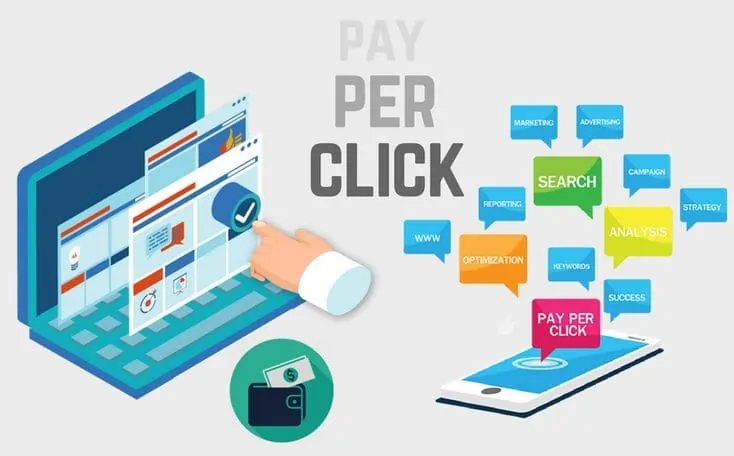
What is PPC (Pay-Per-Click)? PPC is an online advertising model where advertisers pay only when their ad is clicked, driving targeted website visits. It’s effective for generating leads and sales by reaching users actively searching for relevant products or services. Advertisers bid on keywords to display ads during relevant searches, using tools like Google Keyword Planner for strategic keyword selection.
How PPC Works:
• Keyword Research: Identify relevant, high-volume, low-competition keywords.
• Ad Creation: Craft compelling ads with headlines, CTAs, and visuals.
• Bidding: Set max bids for clicks, determined by ad auctions.
• Ad Auction: Ads compete based on bid, relevance, and expected CTR.
• Cost Per Click (CPC): Pay only for clicks, often below max bid.
• Performance Tracking: Monitor impressions, clicks, CTR, conversions, and ROAS.
How PPC Works:
• Keyword Research: Identify relevant, high-volume, low-competition keywords.
• Ad Creation: Craft compelling ads with headlines, CTAs, and visuals.
• Bidding: Set max bids for clicks, determined by ad auctions.
• Ad Auction: Ads compete based on bid, relevance, and expected CTR.
• Cost Per Click (CPC): Pay only for clicks, often below max bid.
• Performance Tracking: Monitor impressions, clicks, CTR, conversions, and ROAS.

Benefits of PPC Ads
The Benefit of PPC Ads: PPC drives quality traffic with measurable results. Key benefits include:
• Quick Results: Instant traffic once campaigns go live.
• Measurable ROI: Track CTR, conversions, CPC, and ROAS.
• Budget Control: Set daily budgets and pay only for clicks.
• High-Intent Targeting: Reach users via keywords, demographics, location, and retargeting.
• Cost-Effectiveness: No minimum spend, adjustable budgets.
• Instant Impact: Ideal for new businesses, seasonal promotions, or events.
• Quick Results: Instant traffic once campaigns go live.
• Measurable ROI: Track CTR, conversions, CPC, and ROAS.
• Budget Control: Set daily budgets and pay only for clicks.
• High-Intent Targeting: Reach users via keywords, demographics, location, and retargeting.
• Cost-Effectiveness: No minimum spend, adjustable budgets.
• Instant Impact: Ideal for new businesses, seasonal promotions, or events.
Components of a PPC Campaign
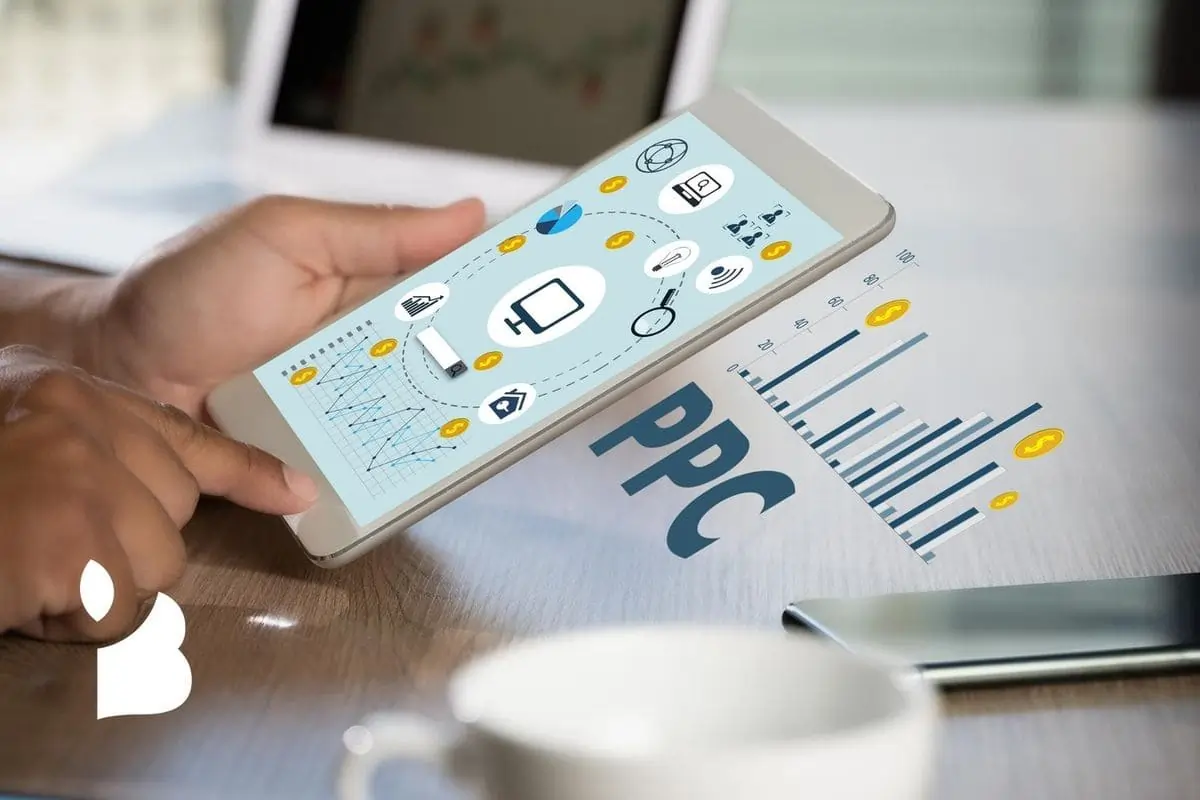
Key Components to a PPC Campaign: Effective PPC campaigns include:
• Keywords: Research high-volume, low-competition terms using Google Keyword Planner. Use broad, phrase, exact, and negative match types.
• Ad Copy: Craft compelling headlines, descriptions, and CTAs highlighting USPs.
• Landing Pages: Design relevant, user-friendly pages with clear CTAs and trust signals.
• Quality Score: Improve ad relevance, CTR, and landing page experience to lower CPC and boost ad rank.
• Keywords: Research high-volume, low-competition terms using Google Keyword Planner. Use broad, phrase, exact, and negative match types.
• Ad Copy: Craft compelling headlines, descriptions, and CTAs highlighting USPs.
• Landing Pages: Design relevant, user-friendly pages with clear CTAs and trust signals.
• Quality Score: Improve ad relevance, CTR, and landing page experience to lower CPC and boost ad rank.
Types of PPC Ads
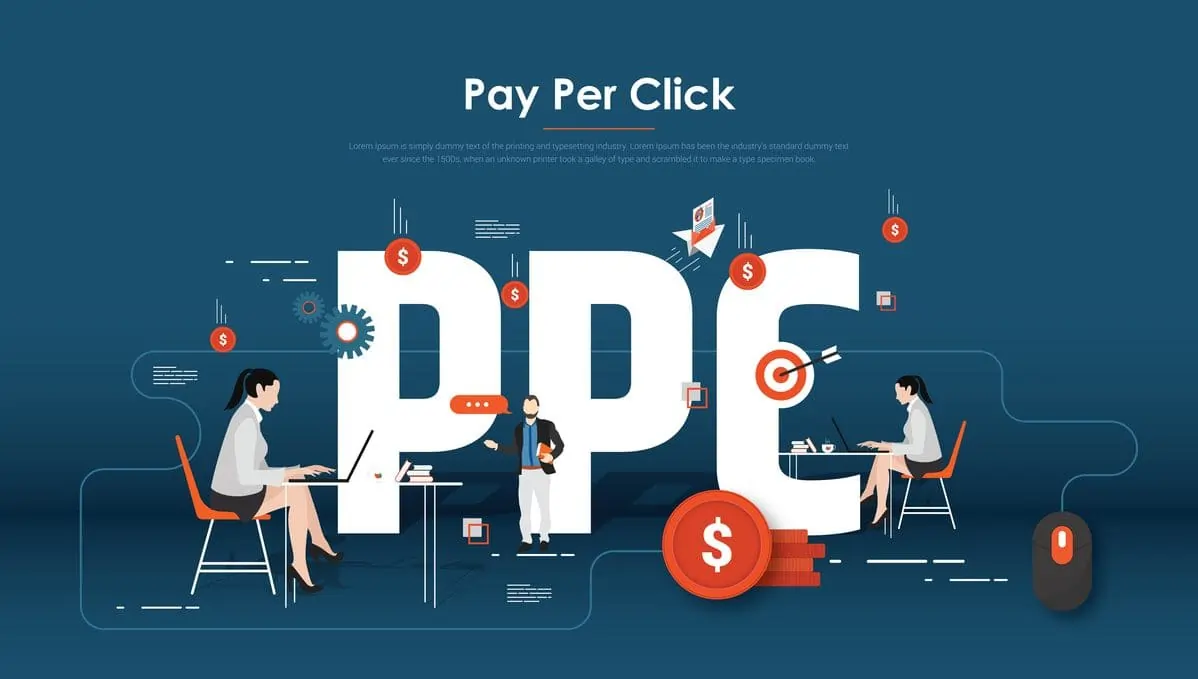
PPC Ads: Kinds of PPC Ads: Common formats include:
• Search Ads: Text-based ads on SERPs for high-intent users, ideal for local and service-based businesses.
• Display Ads: Visual banners on Google Display Network for brand awareness.
• Shopping Ads: Product listings with images and prices for e-commerce.
• Remarketing Ads: Re-engage users who interacted with your brand.
• Search Ads: Text-based ads on SERPs for high-intent users, ideal for local and service-based businesses.
• Display Ads: Visual banners on Google Display Network for brand awareness.
• Shopping Ads: Product listings with images and prices for e-commerce.
• Remarketing Ads: Re-engage users who interacted with your brand.

Strategies for PPC Success
Best Strategies for PPC Success: Maximize results with:
• Comprehensive Keyword Research: Use Google Keyword Planner for high-value, long-tail keywords.
• Optimized Ad Copy: Create compelling headlines and CTAs with emotional triggers.
• A/B Testing: Test ad creatives, headlines, and targeting for performance.
• Monitor Metrics: Track CPC, CTR, and conversion rates for optimization.
• Comprehensive Keyword Research: Use Google Keyword Planner for high-value, long-tail keywords.
• Optimized Ad Copy: Create compelling headlines and CTAs with emotional triggers.
• A/B Testing: Test ad creatives, headlines, and targeting for performance.
• Monitor Metrics: Track CPC, CTR, and conversion rates for optimization.
Introduction to Meta Ads
Meta Ads Overview: Meta Ads reach over 3 billion monthly users on Facebook, Instagram, Messenger, and WhatsApp, offering:
• Global Audience: Target local and international markets.
• Advanced Targeting: Segment by demographics, interests, and behaviors.
• Diverse Ad Formats: Photo, video, carousel, and Stories ads.
• Unified Management: Ads Manager simplifies cross-platform campaigns.
• Advanced Analytics: Real-time insights via Ads Manager and Business Suite.
• Global Audience: Target local and international markets.
• Advanced Targeting: Segment by demographics, interests, and behaviors.
• Diverse Ad Formats: Photo, video, carousel, and Stories ads.
• Unified Management: Ads Manager simplifies cross-platform campaigns.
• Advanced Analytics: Real-time insights via Ads Manager and Business Suite.
Meta Ad Formats
A Guide to Meta Ad Formats: Key formats include:
• Image Ads: Simple visuals with engaging text and CTAs.
• Video Ads: Storytelling with mobile-optimized formats and captions.
• Carousel Ads: Display up to 10 images/videos with individual links.
• Collection Ads: Mobile-friendly product showcases with Instant Experience.
• Stories/Reels Ads: Full-screen, immersive ads with interactive elements.
• Lead/Instant Experience Ads: Capture leads or create interactive content.
• Image Ads: Simple visuals with engaging text and CTAs.
• Video Ads: Storytelling with mobile-optimized formats and captions.
• Carousel Ads: Display up to 10 images/videos with individual links.
• Collection Ads: Mobile-friendly product showcases with Instant Experience.
• Stories/Reels Ads: Full-screen, immersive ads with interactive elements.
• Lead/Instant Experience Ads: Capture leads or create interactive content.

Meta Audience Targeting
Understanding Audience Targeting Options on Meta: Options include:
• Demographic Targeting: Filter by age, gender, education, job title, etc.
• Interests/Behavior Targeting: Target hobbies, purchase habits, or device usage.
• Custom Audiences: Retarget website visitors or engaged users.
• Lookalike Audiences: Reach users similar to existing customers.
• Geographical/Device Targeting: Target by location or device type.
• Demographic Targeting: Filter by age, gender, education, job title, etc.
• Interests/Behavior Targeting: Target hobbies, purchase habits, or device usage.
• Custom Audiences: Retarget website visitors or engaged users.
• Lookalike Audiences: Reach users similar to existing customers.
• Geographical/Device Targeting: Target by location or device type.

Creating Meta Ads
The Ad Creation Process: Steps include:
• Set Objectives: Define goals (awareness, consideration, conversions).
• Master Visuals/Copy: Use high-quality visuals and compelling CTAs.
• Configure Campaign: Set audience, budget, and schedule via Meta Ads Manager.
• Optimization: Use A/B testing, analytics, and automated bidding for performance.
• Set Objectives: Define goals (awareness, consideration, conversions).
• Master Visuals/Copy: Use high-quality visuals and compelling CTAs.
• Configure Campaign: Set audience, budget, and schedule via Meta Ads Manager.
• Optimization: Use A/B testing, analytics, and automated bidding for performance.
Why Choose YouTube Ads?
Why Advertise on YouTube? Benefits include:
• Massive Reach: Over 2 billion monthly users across 100+ countries.
• High Engagement: Video storytelling with visuals, sound, and motion.
• Advanced Targeting: Reach users by demographics, interests, or behaviors.
• Versatile Formats: Skippable, non-skippable, bumper, and discovery ads.
• Global Access: Available in 80 languages with cross-device support.
• Massive Reach: Over 2 billion monthly users across 100+ countries.
• High Engagement: Video storytelling with visuals, sound, and motion.
• Advanced Targeting: Reach users by demographics, interests, or behaviors.
• Versatile Formats: Skippable, non-skippable, bumper, and discovery ads.
• Global Access: Available in 80 languages with cross-device support.
Types of YouTube Ads
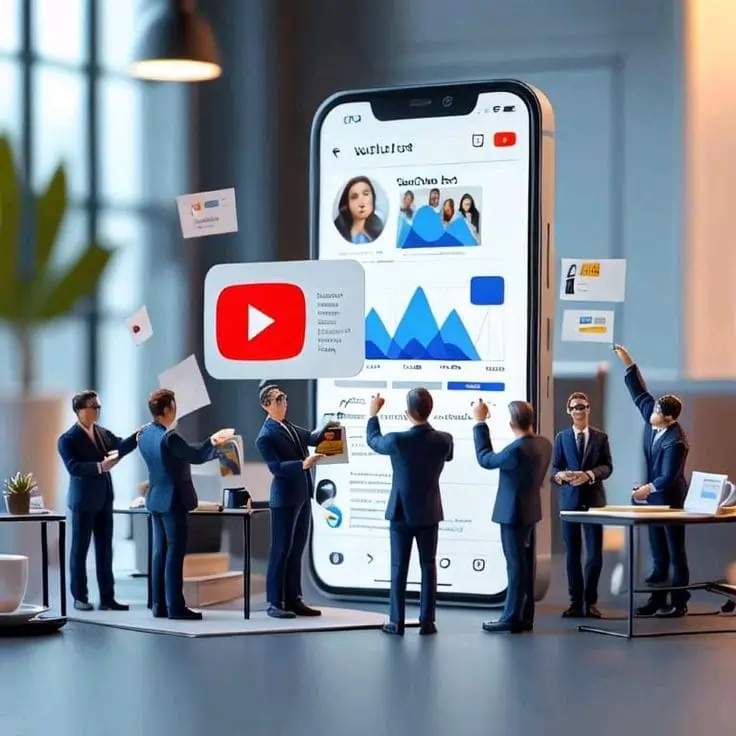
Types of YouTube Ads: Formats include:
• Skippable In-Stream Ads: Skip after 5 seconds, cost-effective for engagement.
• Non-Skippable In-Stream Ads: 15-20 seconds for full message delivery.
• Bumper Ads: 6-second, non-skippable ads for quick impact.
• Discovery Ads: Appear in search results or recommendations.
• Sponsored Ads: Overlay banners for subtle promotion.
• Skippable In-Stream Ads: Skip after 5 seconds, cost-effective for engagement.
• Non-Skippable In-Stream Ads: 15-20 seconds for full message delivery.
• Bumper Ads: 6-second, non-skippable ads for quick impact.
• Discovery Ads: Appear in search results or recommendations.
• Sponsored Ads: Overlay banners for subtle promotion.
Avoiding PPC Mistakes
Common Mistakes in PPC Ads: Avoid errors like:
• Neglecting Negative Keywords: Wastes budget on irrelevant clicks.
• Poor Landing Pages: Causes high bounce rates.
• Ignoring Mobile Optimization: Misses mobile users.
• Lack of Monitoring: Fails to optimize performance.
• Low Quality Score: Increases CPC and reduces ad visibility.
• Ignoring Audience Segmentation: Leads to generic messaging.
• No Conversion Tracking: Hinders performance measurement.
• Neglecting Negative Keywords: Wastes budget on irrelevant clicks.
• Poor Landing Pages: Causes high bounce rates.
• Ignoring Mobile Optimization: Misses mobile users.
• Lack of Monitoring: Fails to optimize performance.
• Low Quality Score: Increases CPC and reduces ad visibility.
• Ignoring Audience Segmentation: Leads to generic messaging.
• No Conversion Tracking: Hinders performance measurement.
PPC vs. Meta vs. YouTube Ads
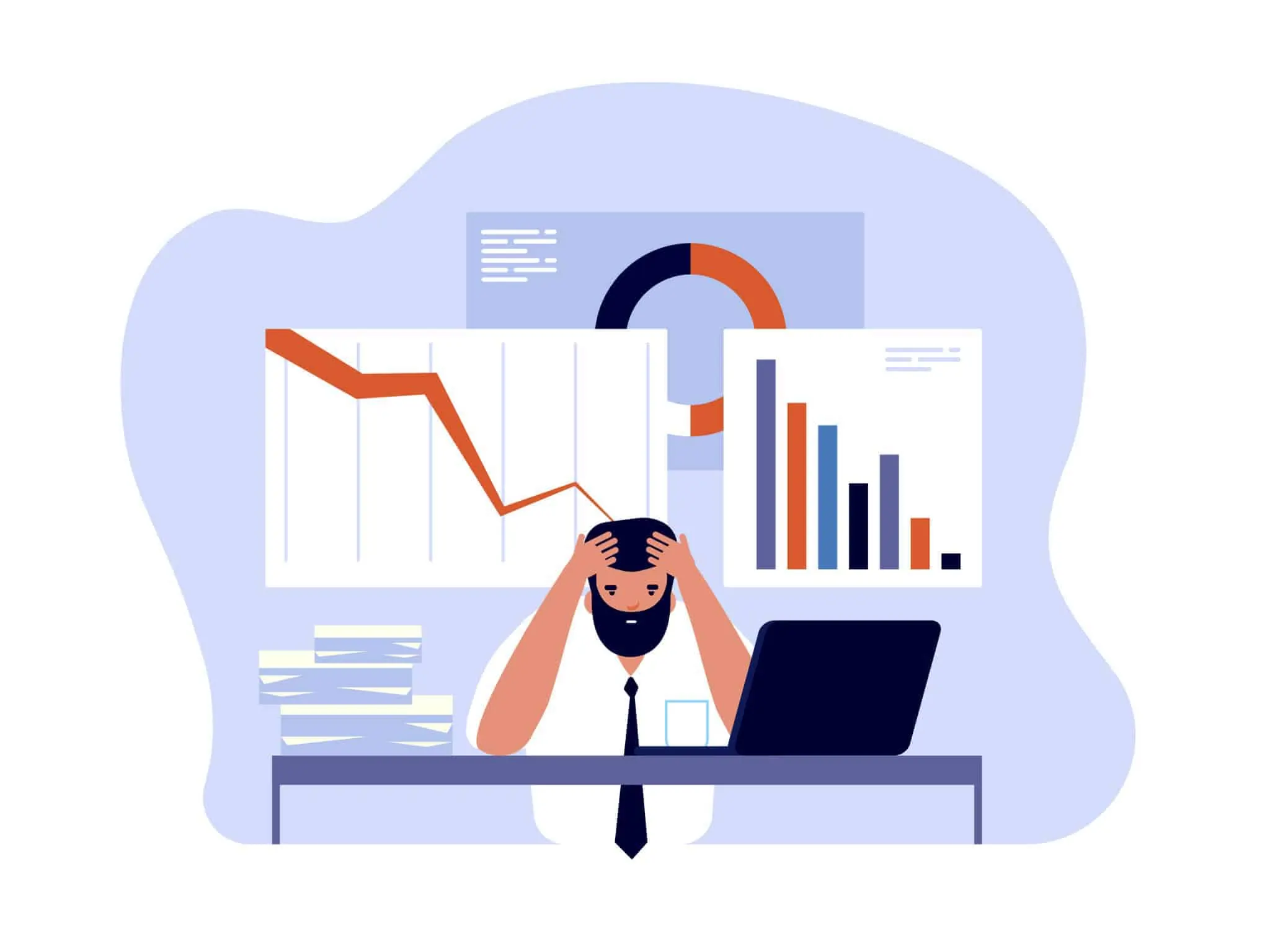
Comparison between PPC, Meta, and YouTube Ads: Strengths and weaknesses:
• PPC: High-intent targeting, quick results, but costly for competitive keywords and limited visual appeal.
• Meta: Advanced targeting, engaging formats, but faces privacy challenges and declining organic reach.
• YouTube: Powerful video storytelling, massive reach, but requires content investment and less conversion-focused.
• PPC: High-intent targeting, quick results, but costly for competitive keywords and limited visual appeal.
• Meta: Advanced targeting, engaging formats, but faces privacy challenges and declining organic reach.
• YouTube: Powerful video storytelling, massive reach, but requires content investment and less conversion-focused.
Success Stories
PPC, Meta, and YouTube Ads Success Stories: Examples include:
• PPC: E-commerce brand increased conversions by 45% with Google Ads.
• Meta: Local restaurant boosted foot traffic by 25% with targeted ads.
• YouTube: SaaS company saw 300% increase in free trial sign-ups.
Key Takeaways: Combine platforms, optimize for mobile, and use remarketing for success.
• PPC: E-commerce brand increased conversions by 45% with Google Ads.
• Meta: Local restaurant boosted foot traffic by 25% with targeted ads.
• YouTube: SaaS company saw 300% increase in free trial sign-ups.
Key Takeaways: Combine platforms, optimize for mobile, and use remarketing for success.

The Power of PPC, Meta, and YouTube Ads
Conclusion: The Strength of PPC, Meta, and YouTube Ads: These platforms excel at:
• PPC: Capturing high-intent users for quick conversions.
• Meta: Engaging diverse audiences with precise targeting.
• YouTube: Building trust through video storytelling.
Combine them for a comprehensive strategy. Experiment with formats, track metrics, and scale campaigns for measurable growth.
• PPC: Capturing high-intent users for quick conversions.
• Meta: Engaging diverse audiences with precise targeting.
• YouTube: Building trust through video storytelling.
Combine them for a comprehensive strategy. Experiment with formats, track metrics, and scale campaigns for measurable growth.
Tools and Resources for PPC, Meta, and YouTube Ads
PPC, YouTube, and Meta Ads Tools and Resources: Essential tools include:
• Campaign Creation: Google Ads Editor, Meta Ads Manager, Canva, SEMrush/Ahrefs.
• Optimization: Google Analytics, Meta Pixel Helper, TubeBuddy, Optmyzr, Hotjar.
• Automation: Zapier, AdEspresso, Google Data Studio, Supermetrics, Buffer/Hootsuite, Skai.
• Collaboration: Asana/Trello, Slack, Figma for streamlined workflows.
• Campaign Creation: Google Ads Editor, Meta Ads Manager, Canva, SEMrush/Ahrefs.
• Optimization: Google Analytics, Meta Pixel Helper, TubeBuddy, Optmyzr, Hotjar.
• Automation: Zapier, AdEspresso, Google Data Studio, Supermetrics, Buffer/Hootsuite, Skai.
• Collaboration: Asana/Trello, Slack, Figma for streamlined workflows.
Best Practices for YouTube Ads
Best Practices YouTube Ads: Maximize engagement with:
• Compelling Content: Hook viewers in the first 5 seconds with storytelling and quality production.
• Short Ads: Keep skippable ads 15-30 seconds, front-load key messages.
• Strong CTAs: Use clear, actionable phrases and visual cues.
• Mobile Optimization: Use vertical/square formats and legible fonts.
• Precise Targeting: Leverage demographics, interests, and remarketing.
• Performance Tracking: Monitor view rate, CPV, watch time, and engagement metrics.
• Compelling Content: Hook viewers in the first 5 seconds with storytelling and quality production.
• Short Ads: Keep skippable ads 15-30 seconds, front-load key messages.
• Strong CTAs: Use clear, actionable phrases and visual cues.
• Mobile Optimization: Use vertical/square formats and legible fonts.
• Precise Targeting: Leverage demographics, interests, and remarketing.
• Performance Tracking: Monitor view rate, CPV, watch time, and engagement metrics.
FAQ for PPC, Meta, and YouTube Ads
FAQ:
• Budgets: Start with $20-$50/day for PPC, $10-$30/day for Meta, $50-$100/day for YouTube.
• Ad Types: PPC (text, shopping, display), Meta (image, video, carousel), YouTube (skippable, non-skippable, bumper).
• Improvement Tips: A/B test creatives, retarget users, optimize budgets.
• Monitoring: Use Google Ads, YouTube Studio, Meta Ads Manager for metrics like CTR, CPC, ROAS.
• Cross-Platform: Combine PPC for intent, Meta for engagement, YouTube for awareness.
• Professional Help: Optional for advanced optimization and better ROI.
• Results Timeline: PPC (days), Meta (1-2 weeks), YouTube (longer for engagement).
• Mistakes to Avoid: Unclear objectives, poor targeting, low-quality creatives, lack of monitoring.
• Budgets: Start with $20-$50/day for PPC, $10-$30/day for Meta, $50-$100/day for YouTube.
• Ad Types: PPC (text, shopping, display), Meta (image, video, carousel), YouTube (skippable, non-skippable, bumper).
• Improvement Tips: A/B test creatives, retarget users, optimize budgets.
• Monitoring: Use Google Ads, YouTube Studio, Meta Ads Manager for metrics like CTR, CPC, ROAS.
• Cross-Platform: Combine PPC for intent, Meta for engagement, YouTube for awareness.
• Professional Help: Optional for advanced optimization and better ROI.
• Results Timeline: PPC (days), Meta (1-2 weeks), YouTube (longer for engagement).
• Mistakes to Avoid: Unclear objectives, poor targeting, low-quality creatives, lack of monitoring.